
Have you ever wondered about what makes your teeth super strong? It’s because of the shiny, hard outer layer called enamel. Think of it like a protective armour for your teeth.
The tooth enamel is the hardest substance in the human body. In fact, it is even tougher than bone. What the enamel does is it protects the softer and more sensitive parts of your teeth from wear and tear, and hot and cold food and drinks.
But the big question here is – what happens if the enamel gets damaged? Does the enamel grow back like your bones do?
Sadly, that’s not the case with your tooth enamel. It can’t heal itself, meaning once it’s gone, it’s gone.
That is why taking care of your enamel and oral health is super important.
What is Tooth Enamel?
Think of your enamel as a protective shield for your teeth.
It’s a thin, translucent layer that covers the crown of your tooth. You know the part of your teeth you see when you smile? Yeah, that’s the tooth enamel.
So, why is it important?
Made up of mineral crystals (mostly calcium and phosphate), the enamel is one of the four dental tissues that make up your teeth. Out of these four tissues, three of them (the enamel, dentin and cementum) are hard tissues. The fourth is a soft tissue called pulp and it is located at the centre of a tooth and serves as the nerve centre for teeth..
What the enamel does is to protect these softer and more sensitive layers of your teeth from damage, decay and sensitivity. Think of it like your teeth’s first line of defence from everything including chewing pressure and acidic foods and drinks.
So Does Tooth Enamel Grow Back?
The answer to this question is a bit of a downer. Because the truth is that your enamel doesn’t grow back. Once your enamel is gone, it’s gone for good (although it’s technically not good).
Unlike other parts of your body like your skin or bones, your body can’t make more of it. The enamel can’t regenerate or heal itself because it is a non-living tissue – it has no living cells to repair or rebuild.
That’s why it is so important to protect your enamel.
While there are attempts to explore ways to regrow the enamel, at the moment, there’s nothing we can do except prevent dental erosion in the first place. Now, you may ask – but what is my enamel is already damaged? Then, you have the option of remineralising your teeth. It won’t grow new enamel, but it will restore some minerals to help strengthen and protect whatever is left.
What Causes Enamel Erosion
Dental or enamel erosion refers to the wearing away of tooth enamel. It’s often a slow process that you might not even notice at first.
The main culprit behind it? Acids.
When acids in your mouth come in contact with your teeth, it begins to dissolve the mineral crystals that keep your enamel strong.
But, where does all this acid come from?
- Acidic Foods and Drinks: This is the most common cause. Think about fizzy drinks (including diet ones), fruit juices, citrus fruits (like oranges and lemons), and anything with vinegar in it. They are delicious, but they are also very acidic.
- Stomach Acid: Health conditions like acid reflux or eating disorders can bring stomach acid into your mouth. With these stomach acids being very strong, they can do a number on your enamel very quickly.
- Dry Mouth: Saliva in your mouth plays a key role in keeping your mouth balanced by washing away remaining food particles and neutralising acids. However, if you have a dry mouth condition (that is, if you don’t produce enough saliva) due to various reasons like health issues or medications, your enamel will come into contact with acids and increase the risk of enamel erosion.
In addition to acids, other factors like Bruxism, where you grind or clench your teeth, brushing too hard, genetic disorders and the use of certain medications in the long run can cause your enamel to erode over time.
Symptoms of Enamel Erosion
Enamel erosion is sneaky and can creep up on you without any warning signs. While the signs are subtle and vary from person to person, they do become more noticeable with time. The sooner you spot these signs, the more chances you have of defending your teeth.
Here are some of the early warning signs of enamel erosion:
- Increased Sensitivity: Do you feel a sharp, short pain when you drink something hot like coffee, eat something cold like ice cream or bite into a sweet treat? Chances are your dentin (the layer underneath the enamel which contains tubules with nerve endings connecting to the inner pulp of the tooth is exposed.
- Yellowing Teeth: Healthy enamel is translucent. So if your enamel shows signs of discolouration, it is most likely that the dentin is exposed and you are seeing the natural colour of the dentin underneath.
- Changes in the Shape of Teeth: If your teeth appear somewhat rounder or rougher on the edges, chances are your enamel is wearing away.
- Transparent Teeth: If the edges of your front teeth take on a see-through nature, it could be a sign of your enamel wearing thin.
How to Prevent Enamel Erosion?
Since enamel doesn’t grow back, the best thing we can do is prevention! Here are some ways in which you can prevent dental erosion to keep your smile shining bright.
- Be Mindful of What You Eat and Drink: While delicious, foods and drinks that are sugary and acidic can wear away your enamel. If you do have them, try to have them with a meal or drink water or rinse your mouth with water afterwards.
- Use a Soft-Bristled Toothbrush and Avoid Overbrushing: Hard bristles can be too abrasive on your teeth, causing irritation, bleeding and sensitivity. So is overbrushing. Therefore, it’s always recommended to be gentle and use a soft-bristle toothbrush to clean your teeth.
- Use a Fluoride Toothpaste: Fluoride is your teeth’s best friend (in the right amount). Using a fluoride toothpaste is generally recommended, as fluoride can fortify your enamel and make it stronger and resistant to acid attacks.
- Drink Water: Water is another one of your teeth’s best friends when it comes to oral health. It helps rinse away leftover food particles, neutralise acids and keep your mouth hydrated and healthy.
- Chew Sugar-Free Gum: Chewing sugar-free gum can help stimulate saliva flow, helping wash away enamel-eroding acids from your mouth.
- Treat Bruxism: If you clench or grind your teeth, getting a custom-made mouthguard to wear at night can help protect your enamel from damage.
Treatment Options for Enamel Erosion
Since your enamel can’t grow, there aren’t any treatment options available to reverse the damage per se. However, there are certain ways in which your enamel can be strengthened and protected to restore functionality and appearance. These include:
Fluoride Varnish or Remineralising Treatments: Remineralisation is the name given to the process where your body naturally repairs minor enamel damage. What happens is, saliva swoops in to restore minerals and toughen up softened enamel. If your enamel shows early signs of erosion our dentists may apply a fluoride gel or varnish to aid in remineralisation and strengthen weakened enamel.
- Dental Bonding: If enamel erosion is too advanced for restorative measures, tooth repair options like dental bonding will be recommended. Here we will apply a tooth-coloured resin to the surface of your teeth to cover the damaged areas and protect the tooth.
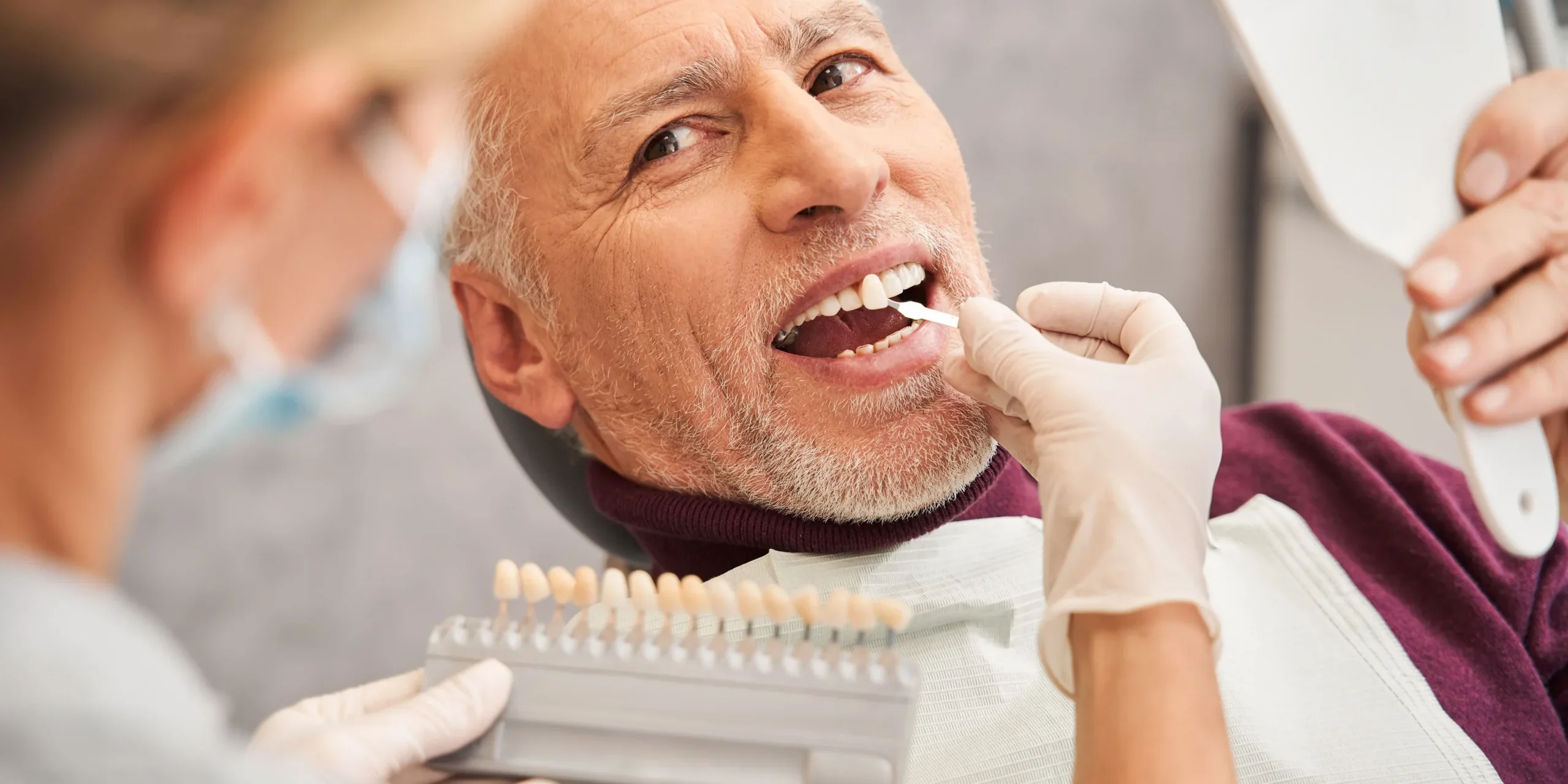
- Veneers: If you have severe enamel erosion, veneers can be bonded to the front of your teeth. These thin, custom-made shells can cover up the damage and improve the appearance of your smile.
- Crowns: In severe cases of enamel erosion, dental crowns will be fitted to the affected teeth. These crowns will cover the entire tooth surface to protect and restore its shape.
So, the bottom line is that you can’t regrow your enamel. However, with the right dental care, you can protect and restore your smile.
Worried about your enamel? Schedule a consultation with our dentists who can assess the situation and recommend the best treatment plan for you.