

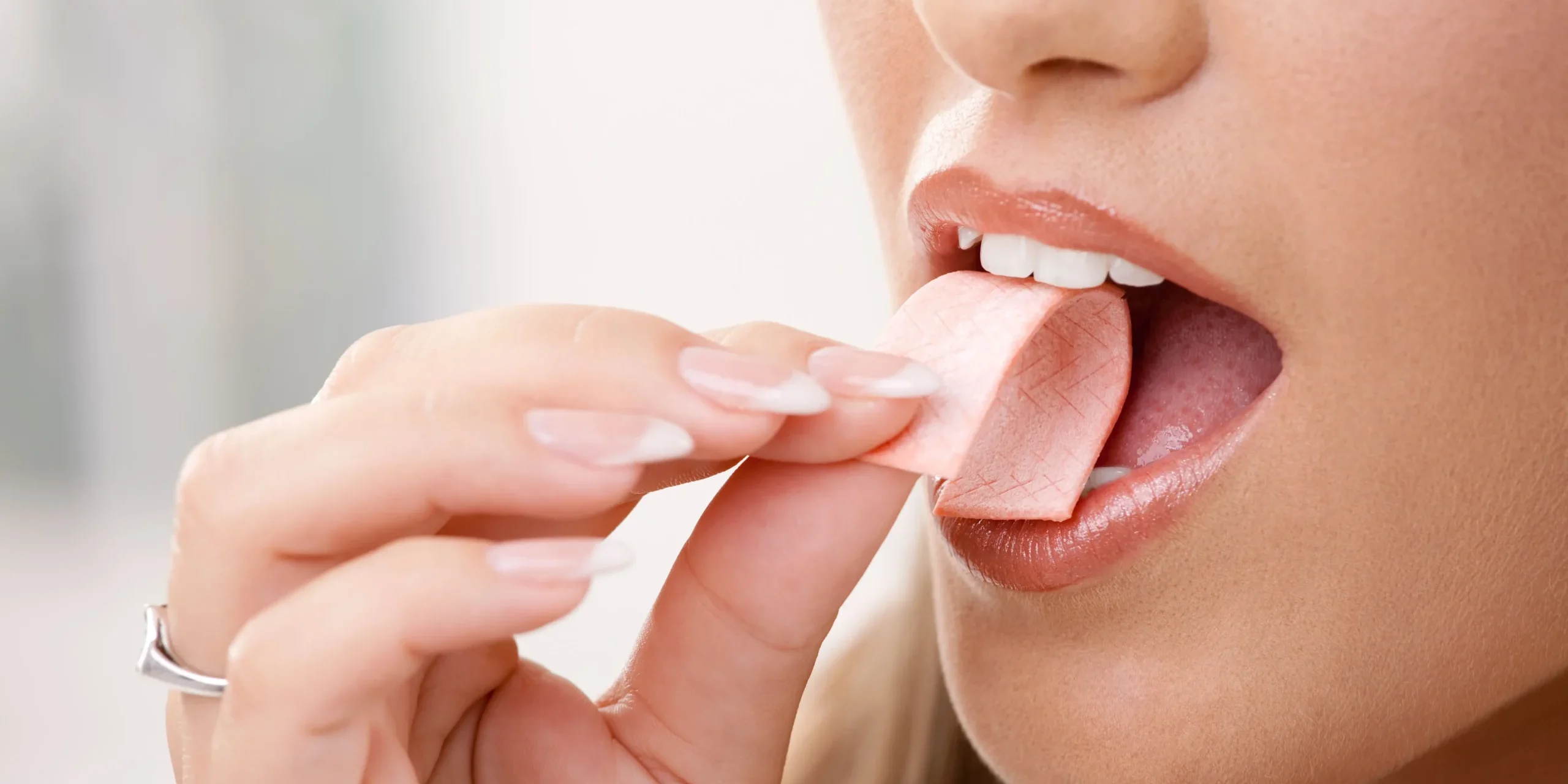
The benefits of chewing gum have long been debated. But did you know that chewing gum supposedly has positive effects on your oral hygiene? Perhaps you’ve heard in passing about how chewing gum can clean your teeth.
Here’s the thing. Whether chewing gum is good or bad for your teeth actually depends on the type of gum you’re chewing. One works in favour of your oral health while the other quietly works against you.
Is Chewing Gum Beneficial for Dental Health?
Not all.
Regular, classic chewing gum (with sugar) is not your friend. Because when you chew regular gum, you are essentially feeding the bacteria in your mouth a lovely little meal. And how do they repay you? By producing acids that wear down your tooth enamel.
Yikes, right?
So, if you’ve been reaching for the sugary stuff, you might have to put a hold on it. But sugar-free gum? That’s where things get interesting.
What Happens in Your Mouth When Chewing Sugar-Free Gum
Studies reveal that chewing sugar-free gum can increase the flow of saliva in your mouth. Why does this matter? Well, saliva does a lot more work in your mouth than most give credit for.
- Saliva Washes Away Leftover Food Particles And Bacteria: It neutralises sugars and harmful acids produced when the bacteria on your teeth break down what you eat. If this acid is not washed away, it can lead to plaque formation, followed by problems like erosion of tooth enamel and tooth decay.
- Neutralises the Acid Attack: When you eat, oral bacteria feed on leftover carbohydrates and start producing acids within minutes. This acid attack can cause your mouth’s pH level to drop quickly to a level where your enamel demineralisation begins. The saliva produced helps restore the pH faster, reducing the time your enamel is under threat.
- Aids Remineralisation: Stimulated saliva contains calcium and phosphate ions, which can help remineralise and strengthen your enamel over time.
So, no – chewing gum doesn’t just give your breath a boost. It also helps boost saliva production, which helps clean your teeth and keep your teeth strong and healthy.
Does Chewing Increase Saliva Production?
Yes, it does. When you start chewing, your body kicks into action. It prompts a neurological response that triggers your salivary glands to get moving. This leads to an increase in saliva production by 10 to 12 times the rate of saliva produced when your mouth is at rest.
How Does Sugar-Free Gum Reduce Bacteria?
Not all chewing gum is beneficial. Similarly, neither is all sugar-free gum.
Some sugar-free gums use sweeteners called sugar alcohols. Xylitol is a natural sugar-free sweetener that cavity-causing bacteria can’t metabolise. Regular chewing of gum containing xylitol can reduce acid-producing bacteria in plaque and saliva.
So when you are choosing a gum, flip the packet over and check the ingredients. Sugar- free is the way to go. Xylitol-containing gum? Even better.
When Should I Chew Gum and For How Long?
If you chew sugar-free gum for about 20 minutes after a meal, that’s where the real advantage lies. This duration is enough for saliva flow to increase, neutralise acids and give your mouth some natural defences.
Chewing for hours on end? Not recommended. Chewing gum for longer periods of time can put excessive strain on your jaws and surrounding muscles.
And No, It’s Not a Replacement for Brushing Teeth
Before you ask, chewing sugar-free gum is not a replacement for other oral hygiene habits like brushing, flossing and regular dental check-ups. Period.
No amount of gum can remove the plaque that builds up on and between your teeth. It needs to be removed with a toothbrush, floss or sometimes a dental cleaning. The latter is if you let plaque build up over time.
Just because you chew sugar-free gum doesn’t give you a free pass to skip brushing or flossing daily.
If you want a happy and beautiful smile, good oral habits matter. If you are long overdue for a check-up or cleaning or you have questions about your oral health routine, Ashgrove Dental is here to help.